

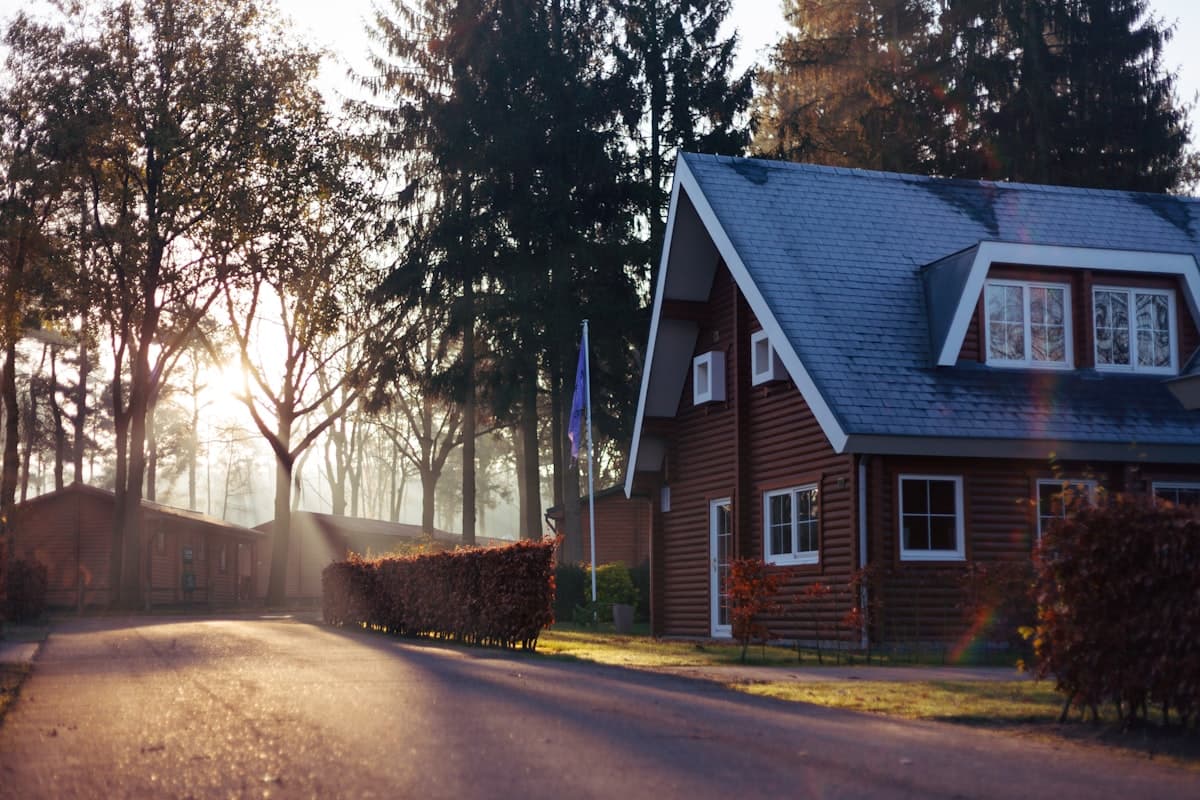
Modern House Design for Karachi's Climate
Designing for Heat Load Before Aesthetics
Ask someone in Karachi what a "modern" house looks like and you'll hear about flat roofs, large glazing, and clean facades. Those are the easy parts to picture. The harder, less photogenic job is managing eight to nine months of heat, a sticky monsoon-adjacent stretch from July through September, and coastal air carrying enough salt to corrode cheap hardware within a few years. A house that photographs beautifully but turns into a furnace by April has failed at its main job: keeping a family comfortable without turning the electricity bill into a second mortgage payment.
Good modern design in this city starts with a heat-load conversation, not a mood board. That means deciding, room by room, which walls take direct western sun, where the kitchen and laundry heat loads sit relative to bedrooms, and how much glass a facade can carry before it becomes a liability. A west-facing bedroom wall with a large unshaded window will need mechanical cooling running almost continuously from March to October. The same room with a recessed window, a projecting slab, or a louvred screen in front of the glass can cut that load noticeably and make the difference between a bedroom that's usable at 4pm and one that isn't.
Orientation and the Direction of the Sun
Karachi's sun path is steep and intense for most of the year, with the harshest exposure coming from the west and southwest in the afternoon. On a typical DHA or Gulshan-e-Iqbal plot, the orientation is usually fixed by the street and the boundary lines rather than by choice, so the design has to respond to whatever orientation you're given rather than wishing for a different one. If the main facade faces west, that's where you concentrate blank wall, storage, stairwells, or bathrooms, rooms that tolerate heat without much discomfort, and push living rooms and bedrooms toward the north or east side where the light is gentler.
Courtyards and light wells do real work here, not just a decorative one. A small internal courtyard, even four or five feet wide, pulls daylight and a degree of cross-ventilation into the core of a deep plot without exposing those rooms to direct western sun. It's a very old idea, found in traditional Sindh and Gujarati havelis, that modern Karachi houses are quietly bringing back because it solves a real problem rather than because it looks heritage-inspired.
Facade Materials That Perform in Coastal Air
Exposed concrete and raw steel look sharp in architectural photography shot in milder climates, but both have a hard time in Karachi. Unsealed exposed concrete stains unevenly from monsoon runoff and traps heat through the day, releasing it slowly into the house at night. Mild steel railings and window frames rust within two or three years unless they're hot-dip galvanized or switched to aluminium or powder-coated profiles, which cost more upfront but avoid a repaint cycle every couple of years.
Locally available materials that hold up well include sandstone cladding (often sourced from Thatta or Jamshoro quarries), textured render finishes with a UV-stable topcoat, and glazed or unglazed tile accents that don't fade. Khaprail roof tiles, still used on pitched sections of otherwise modern houses, give a sloped roof real thermal benefit over a flat RCC slab exposed to direct sun all day. For glazing, double-glazed units or at minimum a low-E (low-emissivity) coating on single glazing meaningfully reduces solar heat gain compared to plain clear glass, which is still the default on budget-driven projects.
Cross-Ventilation and the Case for Courtyards
Mechanical cooling is unavoidable in Karachi for several months, but a house that depends on it entirely, with no cross-ventilation strategy, is more expensive to run and less comfortable during the long shoulder seasons (November to February, and parts of October and March) when natural ventilation alone can keep interiors pleasant. Planning window placement on opposite or adjacent walls so air has a path through the house, rather than clustering all openings on one facade, costs nothing extra at the design stage and pays off every year the AC isn't running.
Double-height spaces, stair voids, and operable skylights also help hot air escape upward rather than settling in bedrooms. This is especially useful in the kitchen and laundry zones, where cooking and washing generate a lot of ambient heat that shouldn't be allowed to drift into living areas.
Roof Insulation and the Terrace as Usable Space
A bare RCC roof slab in Karachi can reach surface temperatures well above ambient air temperature by mid-afternoon in summer, and that heat radiates into the top floor for hours after sunset. Roof insulation, whether rigid XPS/EPS boards under a screed, a reflective waterproofing membrane, or a simple thermocol layer under tiles, is one of the highest-return investments in a Karachi house and is often skipped on budget projects to save a relatively modest sum at construction stage. Expect insulation plus proper waterproofing to add a noticeable but worthwhile line item to the roofing budget; it's cheaper than running split units on the top floor an extra two or three hours a day for the next twenty summers.
A well-insulated, properly waterproofed roof also becomes usable space rather than dead space: a terrace with a pergola, shade sail, or a green roof section for potted plants extends the house's livable area into the evening hours once the heat of the day has passed, which is when most Karachi families actually use outdoor space.
Energy and Water Systems Built Into the Design, Not Bolted On
Given how many hours of direct sun Karachi gets year-round, solar panels are no longer a fringe add-on, they're close to standard on new construction for households that can afford the upfront cost, both to offset K-Electric bills and to provide backup during load-shedding or grid faults. The decision to go solar changes the design: roof space needs to be planned for panel mounting away from shaded areas, and an inverter/battery room needs ventilation and access that's easy to retrofit badly if it wasn't planned from the start.
Water security matters just as much. An underground water tank plus an overhead tank, sized properly for the household and with a working float-valve system, protects against the city's inconsistent supply. Planning the pump room, tank access for cleaning, and pipe runs at the design stage avoids the common problem of a tank that's technically installed but practically impossible to service.
Frequently Asked Questions
Is a flat roof or a pitched roof better for Karachi's climate?
Flat roofs are easier to build on standard plots and give you usable terrace space, but they need proper insulation and waterproofing to avoid heat gain. A partially pitched roof with khaprail tiles over specific rooms, combined with a flat insulated terrace elsewhere, often gives the best balance of thermal performance and usable outdoor space.
How much does roof insulation typically add to a construction budget?
As a general estimate, proper roof insulation and upgraded waterproofing adds a modest percentage to the overall roofing cost compared to a bare slab with basic waterproofing. The exact figure depends on material choice (XPS board versus reflective membrane versus insulated tile) and roof area, so it's worth getting a line-item quote rather than assuming a fixed rate.
Do double-glazed windows make a noticeable difference in Karachi?
Yes, particularly on west and south-facing facades with large glass areas. Double glazing or low-E coated glass reduces solar heat gain and some street noise, which matters on busier roads in areas like Shahrah-e-Faisal-adjacent plots. On smaller, shaded, or north-facing windows the benefit is less dramatic and standard glazing may be sufficient.
Can an existing house be retrofitted for better climate performance, or does this only apply to new builds?
Retrofits are possible and common: adding roof insulation over an existing slab, replacing single clear glass with low-E units, installing external shading devices like louvres or pergolas, and adding solar panels can all be done on a completed house. It's less efficient than designing for climate from the start, but it's far better than doing nothing.

Start a Conversation
Have a project in mind? Let's talk about what it needs.
Reach out on WhatsApp for the fastest response, or send a note through our contact page.