

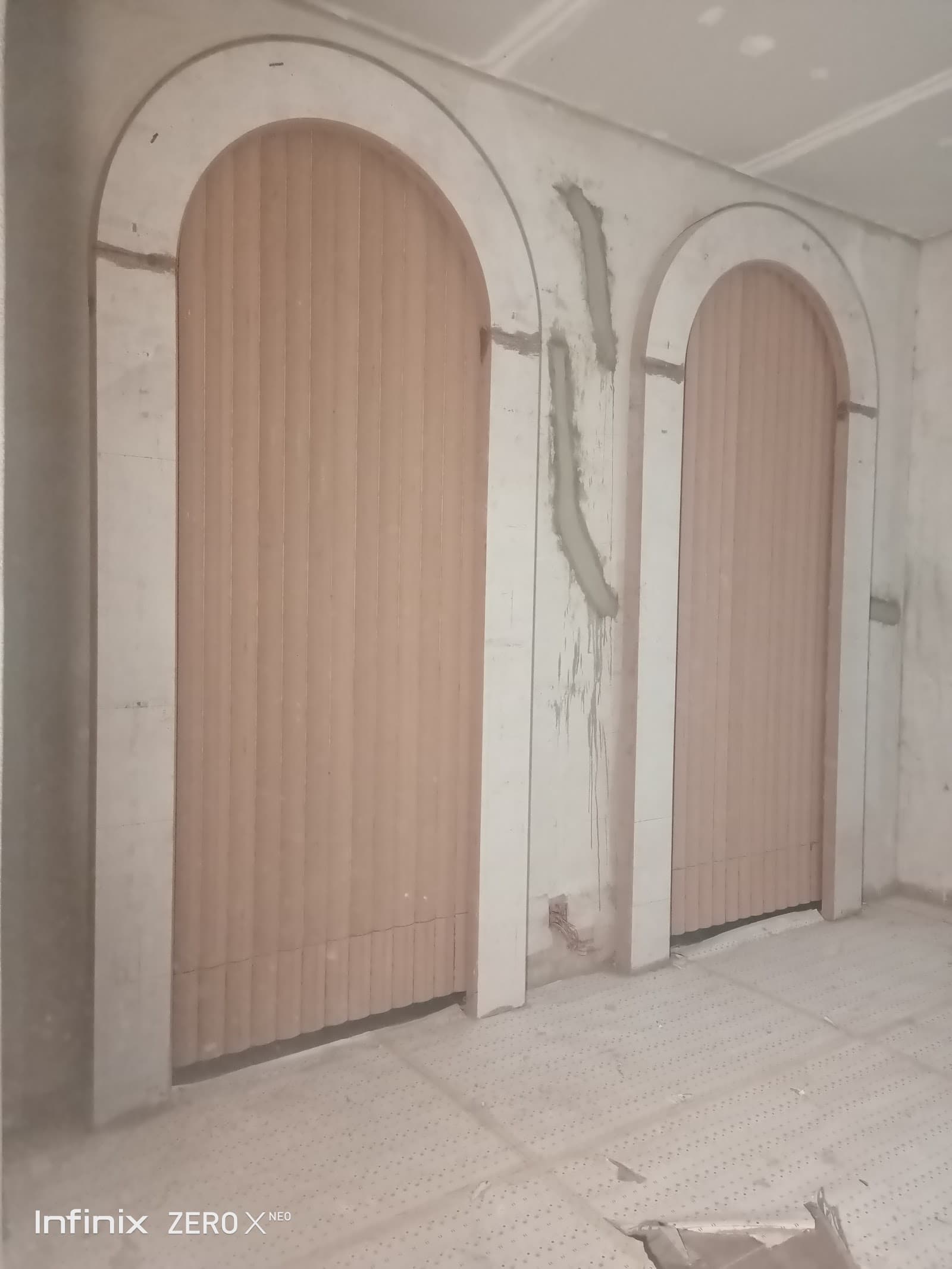
What Actually Happens During a Site Supervision Visit
Beyond "Checking In"
Ask most homeowners what site supervision means and the answer is usually some version of "someone comes by to see if the work is progressing." That is part of it, but a supervision visit conducted properly is closer to an audit against the drawings and specifications than a casual walkthrough. The person doing it, whether an architect, a construction manager, or an engineer depending on the firm's structure, arrives with a specific checklist tied to whatever stage the project is at, not a general impression of whether things "look fine."
The distinction matters because a lot of construction defects in Karachi are not visible to an untrained eye at the time they happen. Rebar spacing that is slightly off, a damp-proof course skipped at a specific junction, electrical conduit laid without the agreed depth of cover under plaster, none of this announces itself. It shows up later as cracks, leaks, or a wall that will not take a drilled anchor without crumbling.
Before the Visit: What Gets Reviewed First
A supervisor who is doing this properly reviews the approved drawings, the structural details, and the specification sheet before walking onto site, and compares that against the contractor's own progress report or daily log if one is being maintained. On any reasonably sized project, this preparation also includes checking material delivery records: does the cement actually arriving on site match the brand and grade specified, has steel been tested or at least verified by mill certificate, is the brick or block being used the agreed type, solid concrete block versus traditional burnt clay brick, for instance, which affects both cost and thermal performance in Karachi's climate.
What Gets Inspected at Each Construction Stage
The checklist changes completely depending on where the project is. During excavation and foundation work, the visit focuses on soil conditions against what the geotechnical report assumed, reinforcement spacing and cover before concrete is poured, because once it is poured this is no longer verifiable without invasive testing, and whether curing is actually happening, not just being mentioned.
During the structural frame stage, attention shifts to column verticality, slab thickness and reinforcement, and whether construction joints are being placed where the structural drawings call for them rather than wherever is convenient for the pour sequence that day. Once the project moves into masonry, plumbing, and electrical rough-in, the visit covers wall plumb and thickness, conduit routing before it gets buried in plaster, and whether waterproofing membranes at bathrooms, kitchens, and the roof are installed before tiling covers them up and makes correction far more disruptive.
At finishing stage, the checklist becomes more visual: tile levelness and grout lines, paint coverage and texture consistency, door and window alignment, and whether fittings match the approved sample or a cheaper substitute has quietly made its way in.
Documentation: The Part Clients Rarely See
A supervision visit that does not produce a written record is of limited use later. Photographs timestamped against the stage of work, a short report noting what was checked and what, if anything, needs correction before work proceeds, and a clear instruction to the contractor with a deadline, these are what turn a visit into something enforceable. If a dispute arises later about whether waterproofing was actually done before tiling, for example, photographic evidence from that stage is the only thing that settles it conclusively.
This record also protects the client against rework being billed twice: if a defect is caught and documented during supervision, correcting it is the contractor's responsibility under the original contract, not a new line item.
Common Issues a Supervision Visit Catches Early
Patterns repeat across projects. Reinforcement cover that is too thin, which later causes rebar corrosion and spalling, particularly given Karachi's humid, salt-laden coastal air. Waterproofing skipped or rushed at roof parapets and bathroom floor-wall junctions. Electrical load not matching what was actually specified, undersized wiring run because it was cheaper or already on hand. Substitution of finishing materials, a lower-grade sanitary fitting or a swapped tile without informing the client, often only noticeable once installed. Catching these during construction costs a correction. Catching them after handover costs a renovation.
There is also a quieter benefit to regular supervision that clients rarely anticipate: it changes how a contractor behaves on site even when nobody is watching. A crew that knows a documented visit is coming at a specific stage tends to maintain a more consistent standard throughout, rather than tidying up only for the day an inspection is scheduled. Over the life of a project this habit shift, more than any single caught defect, is often what separates a site that stays broadly on track from one that needs constant correction.
Frequently Asked Questions
How often should site supervision visits happen?
Frequency depends on project size and stage. Critical stages like foundation pour, structural frame, and waterproofing usually warrant visits tied directly to that specific activity, supplemented by regular periodic visits for ongoing stages.
Is site supervision the same as the contractor's own site engineer?
No. The contractor's site engineer works for the contractor and manages day-to-day execution. Independent supervision, whether by the architect or a separate consultant, represents the client's interest and checks the contractor's own work against the approved design.
What happens if a defect is found during a visit?
It gets documented with photos and a written note, the contractor is given a specific instruction and timeline to correct it, and the correction is verified at the next visit before the project moves past that stage.
Can supervision be added partway through a project that started without it?
Yes, though some earlier stages, foundation reinforcement for instance, cannot be inspected retroactively once concrete has been poured. A supervisor joining mid-project will typically review all available documentation and focus closely on what is still verifiable going forward.

Start a Conversation
Have a project in mind? Let's talk about what it needs.
Reach out on WhatsApp for the fastest response, or send a note through our contact page.