

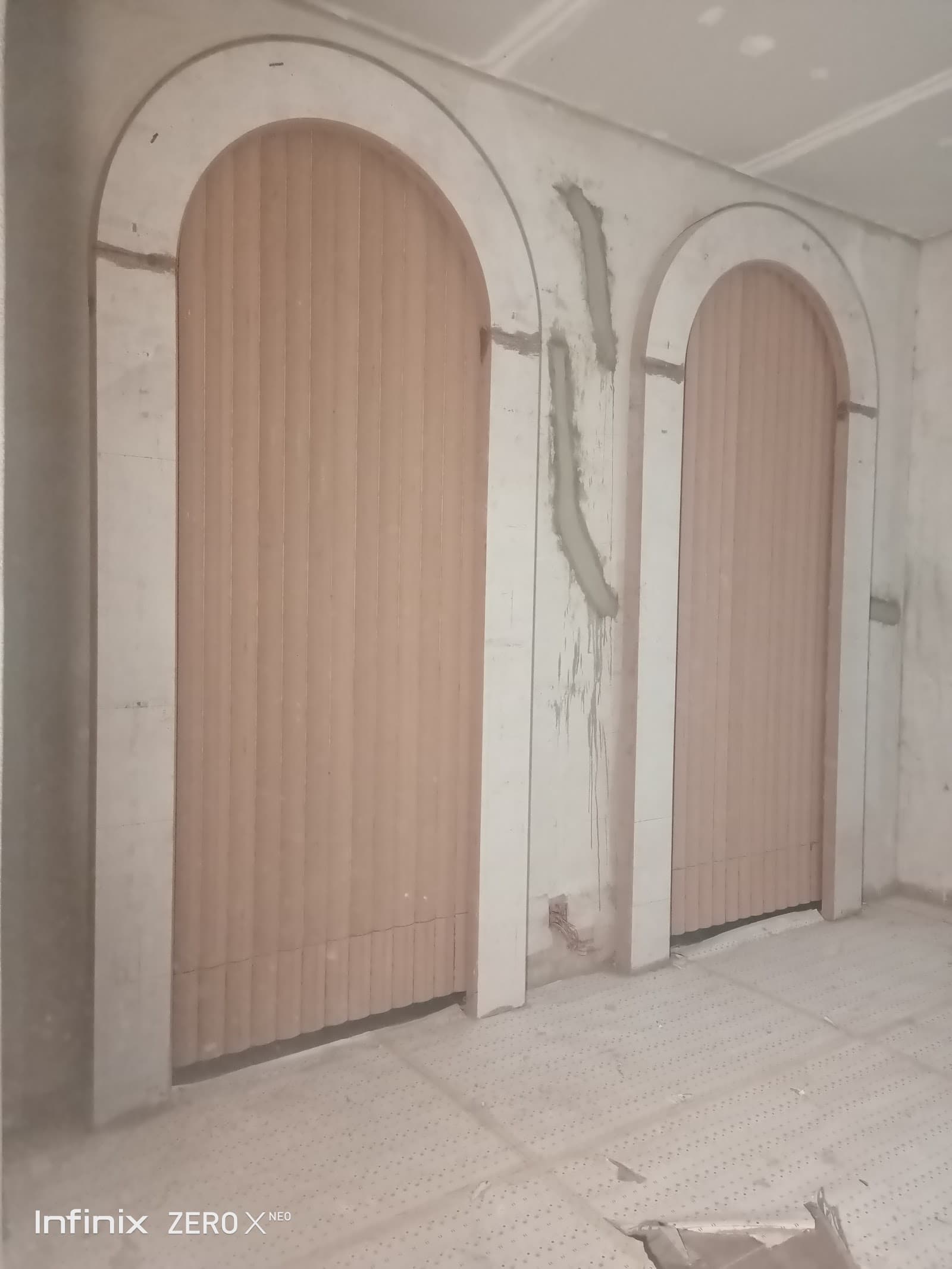
What Does a Turnkey Construction Project Actually Include?
Turnkey, Defined Precisely
The word turnkey gets used loosely across Karachi's construction market, sometimes meaning little more than a contractor offering to handle finishes after someone else builds the structure. In its proper sense, a turnkey project means one firm carries responsibility from initial design through to the point where the client can walk in, turn the key, and start using the space, with nothing left to coordinate. That includes design development, government approvals, procurement of materials, execution of civil and finishing work, MEP installation, and final handover. The defining feature is not the scope of trades involved, since any contractor touches multiple trades, it is the single point of accountability under one contract.
This matters in Karachi specifically because the market has no regulatory definition of the word, unlike some other markets where the term carries a formal meaning tied to a specific contract type. Any firm can print turnkey on a signboard regardless of whether its agreements actually bundle design, approvals, and execution into one accountable scope. That makes it the client's job, not the market's, to confirm what a specific firm's version of turnkey actually covers before assuming it matches the textbook definition.
What the Design Phase Should Include
A genuine turnkey agreement should start with more than a floor plan sketch. It should include architectural drawings sufficient for approval submission, structural drawings where relevant, a defined material and finish specification (not just a rendering), and MEP layout coordination done at the design stage rather than improvised on site. If a proposal jumps straight from a concept image to a lump-sum price without a specification document attached, that is worth questioning, since it leaves too much room for the finished product to differ from what was shown.
What Procurement and Execution Should Include
Beyond design, the firm should be responsible for sourcing materials against the agreed specification (not silently substituting cheaper equivalents), securing the relevant SBCA or DMC approvals and any utility connections, managing all subcontracted trades, electrical, plumbing, HVAC, carpentry, and keeping a documented schedule with milestones tied to physical progress. Quality checks at each stage, such as inspecting waterproofing before tiling or checking wiring before walls are closed up, should be part of the process the firm is contractually obligated to follow, not an informal courtesy.
What's Typically Excluded, and Should Be Named
Even a comprehensive turnkey agreement usually draws a line somewhere, and the problems arise when that line is not written down clearly. Common exclusions worth checking for explicitly include movable furniture versus built-in furniture, landscaping and external site work, appliances (is the oven included or just the cutout for it), soft furnishings like curtains and upholstery, and any work needed on shared or external utility infrastructure outside the property boundary. A contract that says turnkey without listing what falls outside that scope is setting up a disagreement for later in the project, not avoiding one.
Red Flags in a Turnkey Agreement
A few patterns are worth treating as warning signs before signing. A price that seems noticeably lower than competing turnkey quotes for a similar scope, without a clear explanation of why, often means a specification downgrade is planned for later. A contract that does not name specific brands or grades for key materials, flooring, sanitary fittings, electrical wiring, leaves too much to interpretation at execution time. An unwillingness to break the lump sum into milestone-linked payments is another, since it removes your ability to pause or renegotiate if quality slips midway. Finally, be cautious of any firm that cannot show you a completed or in-progress project you can actually walk through, photos alone do not tell you much about finish quality or long-term durability.
How Payment Milestones Should Tie to Deliverables
A genuine turnkey contract should link each payment to a specific, verifiable stage of completion, design approval, foundation and structure complete, grey structure and MEP rough-in complete, finishes substantially complete, and final handover after a walkthrough, rather than to fixed calendar dates. This protects both sides: the client only pays for work actually done, and the firm has a clear, objective trigger for each payment rather than relying on the client's subjective satisfaction at an arbitrary date. A retention of roughly 5 to 10 percent held back until after handover and a snagging walkthrough is standard practice and gives the client real leverage to get final touch-ups addressed promptly. Any turnkey proposal that asks for a large portion of the contract value upfront, well beyond what is needed to mobilize and secure materials, deserves a closer look before signing.
Frequently Asked Questions
Is turnkey construction always more expensive than hiring separately?
Not necessarily. The quoted figure often looks larger because it bundles design, approvals, and execution into one number, but it can work out comparable or even lower once you account for the cost of your own time managing separate vendors and the risk of disputes between them.
Can I make design changes after a turnkey contract is signed?
Usually yes, but changes beyond the agreed scope typically come with a change-order cost and schedule adjustment. A good agreement spells out how change orders are priced upfront rather than leaving it to negotiation mid-project.
Who is responsible for SBCA approvals in a turnkey project?
In a genuine turnkey setup, the firm should handle approval submissions and follow-ups as part of the contracted scope, though the application itself is still filed against the property owner's documentation.
What should I ask for before signing a turnkey agreement?
At minimum, a detailed specification document naming materials and brands, a payment schedule tied to milestones rather than dates, a defined project timeline with penalties for unexplained delay, and a clear list of what falls outside the agreed scope.

Start a Conversation
Have a project in mind? Let's talk about what it needs.
Reach out on WhatsApp for the fastest response, or send a note through our contact page.